Personal training is often treated as something you need only when you are new to the gym. You hire a trainer, learn how to squat, figure out which machines do what, and eventually graduate to working out alone. That sounds logical, but it overlooks one of the biggest advantages of personal training: experienced gym-goers can benefit from expert coaching just as much as beginners.
In fact, the longer you have been training, the easier it can become to settle into routines that no longer challenge you. You know enough to exercise safely, but that does not necessarily mean you are training as effectively as you could be.
Experience Does Not Automatically Mean Efficiency
Someone who has trained consistently for five years probably knows considerably more than someone walking into a gym for the first time. But experience can also create blind spots.
Maybe your bench press has barely changed in a year. Perhaps you automatically choose the same exercises every Monday because that is what you have always done. You might even have small technique problems that have become so familiar that you no longer notice them.
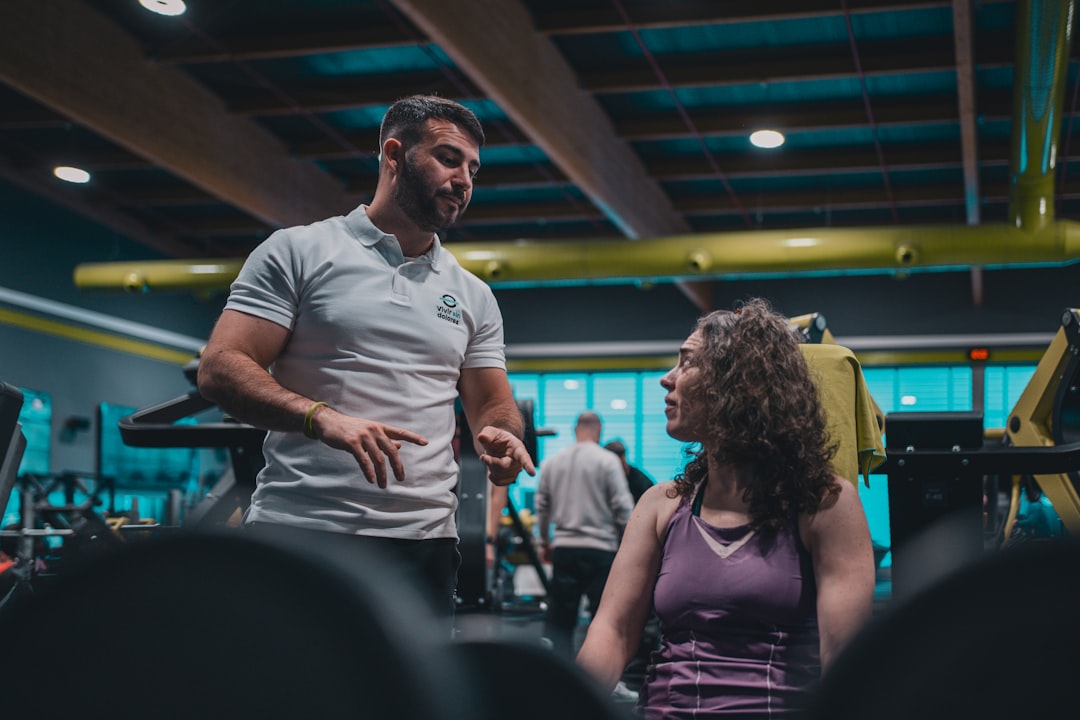
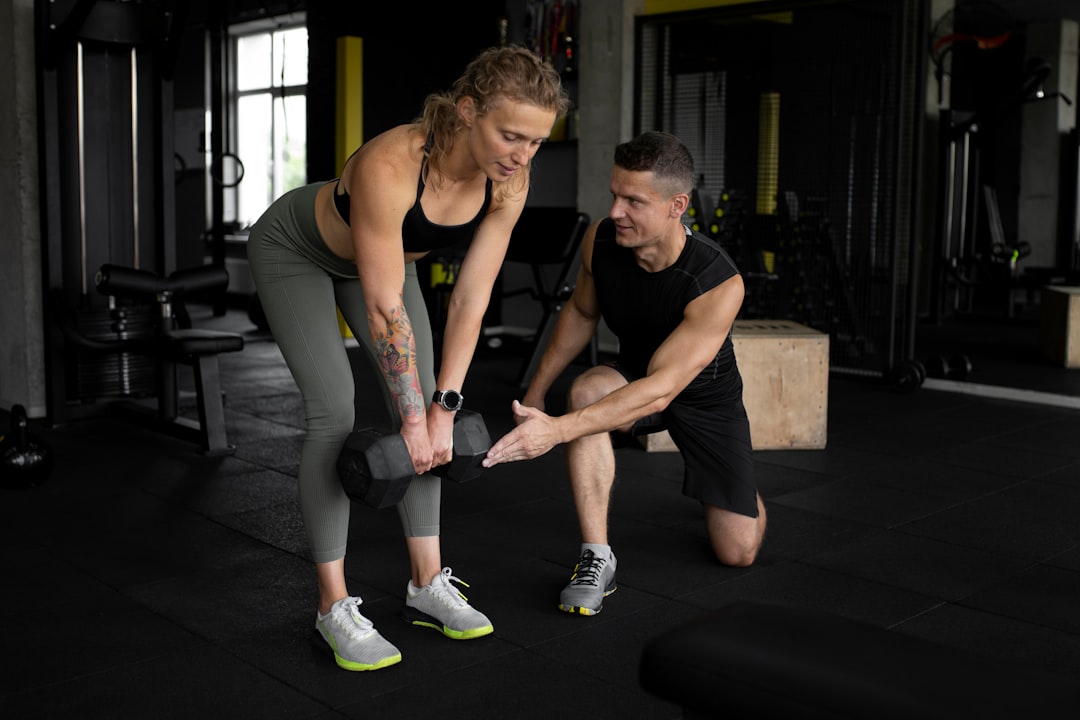
A good personal trainer brings an outside perspective. Rather than simply showing you how to perform exercises, they can evaluate your training volume, technique, recovery, exercise selection, and progression.
Sometimes a tiny adjustment makes a surprisingly large difference. Changing your stance, slowing the eccentric portion of a lift, reducing unnecessary volume, or reorganizing your weekly training schedule may be enough to restart progress.
Advanced Lifters Still Need Coaching
Look at professional sports. Elite athletes do not stop working with coaches once they become good at their sport. Usually, the opposite happens. The higher the level of performance, the more important detailed coaching becomes.
Strength training is similar.
As you become more experienced, the obvious improvements become harder to find. Beginners can often progress simply by exercising consistently and gradually increasing resistance. Experienced trainees usually need a more thoughtful approach.
A personal trainer can help identify whether your plateau is related to programming, technique, recovery, mobility, or unrealistic progression.
Instead of telling you to simply “train harder,” an effective coach helps you determine where additional effort will actually produce results.
Your Technique May Not Be as Good as You Think
There is a difference between knowing how an exercise should look and knowing exactly what your own body is doing.
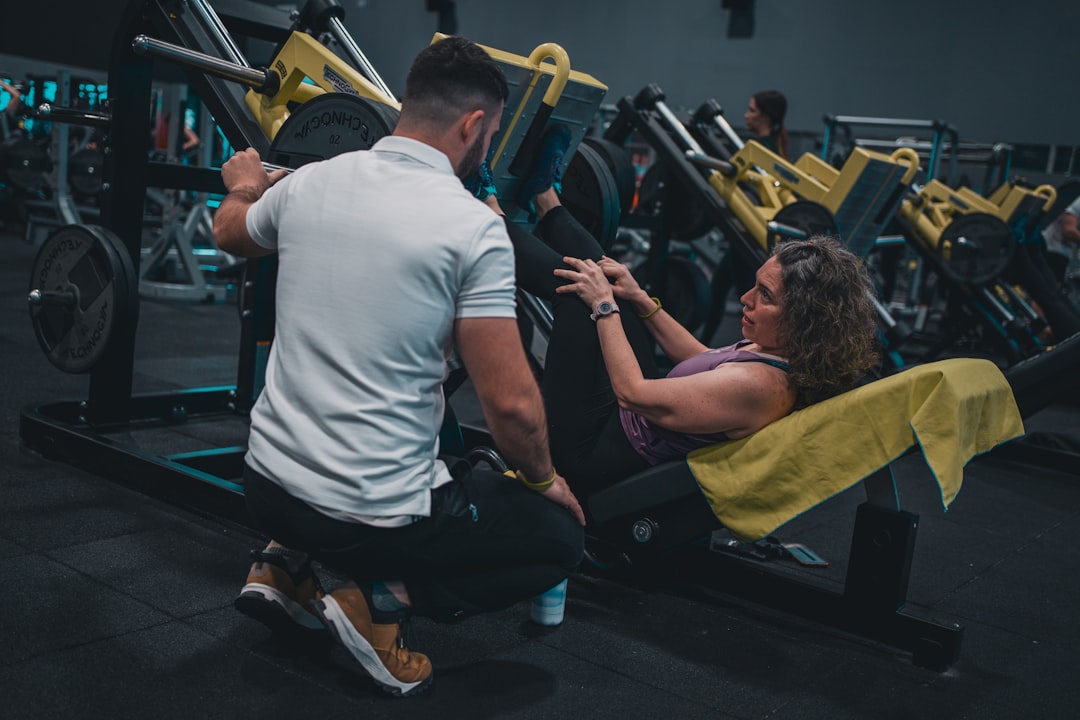
Consider a squat. You may understand the movement perfectly in theory, yet your hips could subtly shift as the weight gets heavier. Your range of motion might gradually decrease without you realizing it. You could also be compensating for limited ankle or hip mobility.
These issues can be difficult to notice while you are concentrating on completing a challenging set.
A trainer watching from another angle can identify details that are easy to miss. For experienced lifters, this type of feedback can be more valuable than learning another dozen exercises.
Personal Training Can Break Through Plateaus
Almost everyone who trains consistently eventually reaches a plateau. What worked six months ago suddenly stops producing noticeable results.
The natural response is often to add more: more sets, heavier weights, additional exercises, another training day.
More is not always better.
Sometimes the solution is actually reducing training volume and improving recovery. In other cases, you may need a different progression method, exercise variation, rep range, or training frequency.
Personal training gives you access to someone who can assess the entire picture rather than reacting emotionally to a frustrating few weeks.
That can prevent the common cycle of constantly changing programs without giving any structured approach enough time to work.
Accountability Is Not Just About Showing Up
Accountability is commonly associated with beginners who struggle to get themselves into the gym. But experienced trainees need accountability too—it simply looks different.
You may have no problem exercising five days per week. Your issue could be that you consistently skip mobility work, rush warm-ups, avoid exercises you dislike, or train harder than necessary when your body needs recovery.
Advanced accountability is about executing the right plan rather than merely completing a workout.
A trainer can keep you focused on the bigger objective instead of allowing daily motivation or ego to determine how you train.
Recovery Becomes Part of Performance
Training is only one side of progress. The other is your ability to recover from it.
Sleep, stress, nutrition, work demands, and everyday responsibilities influence how much training your body can handle. Someone who slept poorly for several nights may not benefit from following exactly the same workout they would perform after a well-rested week.
That is why recovery awareness has become increasingly important in modern fitness routines. Some people use meditation, breathing exercises, mobility sessions, massage, or other relaxation practices as part of a broader approach to managing stress and supporting downtime between demanding sessions.
The important point is not that one recovery method works for everyone. It is recognizing that your training program exists within the rest of your life.
Personal Trainers Can Remove the Guesswork
Fitness information has never been easier to find. Unfortunately, that does not necessarily make decisions easier.
Search for the “best” number of weekly sets for muscle growth and you will encounter dozens of recommendations. Look up whether you should train to failure and you will find convincing arguments on both sides.
The problem is rarely a lack of information. It is determining which information applies to you.
A qualified trainer can filter those options according to your goals, training history, schedule, physical limitations, and current performance.
Instead of jumping from one viral workout to another, you have a reason behind what you are doing.
Coaching Can Be Temporary and Still Be Valuable
Personal training does not have to mean paying someone to supervise every workout indefinitely.
An experienced trainee might work with a trainer for several weeks to improve lifting technique, build a new program, prepare for a specific goal, or investigate why progress has stalled. Once those issues are addressed, the person may return to independent training with a much clearer strategy.
Periodic coaching can function almost like a performance audit.
You may already know how to drive the car. Sometimes you simply need a skilled mechanic to check what is happening underneath the hood.
The Real Question Is Whether You Are Still Progressing
The idea that personal training is only for beginners misunderstands what coaching is supposed to accomplish.
Beginners often need instruction. Experienced trainees frequently need refinement.
If you are consistently progressing, training safely, recovering well, and achieving your goals independently, you may not need a trainer. But if you have been repeating the same routine while wondering why your strength, physique, or performance has stopped improving, experience alone may not solve the problem.
Personal training is not a remedial fitness class that you eventually outgrow. At its best, it is objective coaching—and sometimes the people who already know the most about training are the ones capable of getting the greatest value from it.
Guest contribution by Dirk Jamison of Lift Silverlake. The views expressed are educational and are not a substitute for individualized medical advice.